How We Do It: Electronic Trading & Technology
The Electronic Trading & Technology (ETTC) examines areas where technology impacts wholesale markets, creating opportunities and challenges. Recent key areas of work include issuing a Statement of Good Practice to help firms apply model risk management frameworks in a proportionate manner to models deployed in electronic trading algorithms. Current areas of work include exploring market-facing applications of AI.

“I’m delighted to be chairing FMSB’s Electronic Trading and Technology Committee. The Committee’s recent publication on the application of AI in wholesale markets illustrates just how valuable FMSB is as a forum for convening experts from across markets to share their perspectives on complex areas of wholesale market activity and the common challenges we face. Technological innovation in markets presents significant opportunities, but ensuring human oversight, strong controls, and clear accountability will be essential to sustaining fair and effective markets as the use of these technologies continues to evolve. I look forward to progressing the Committee’s work on AI in areas such as the application of model risk management frameworks to electronic trading algorithms, among others.”
Asita Anche, Chair of the Electronic Trading & Technology Committee and Head of Systematic Market Making, Risk Centralization & Data Science at Barclays
Work in Progress
Model risk management frameworks
In 2024, FMSB published a Statement of Good Practice on model risk management frameworks for electronic trading algorithms. This workstream will consider updates to the 2024 guidance to reflect more extensive use of AI across model development and deployment in an e-trading context and to support appropriate management of existing and new risks.
Latest Publications
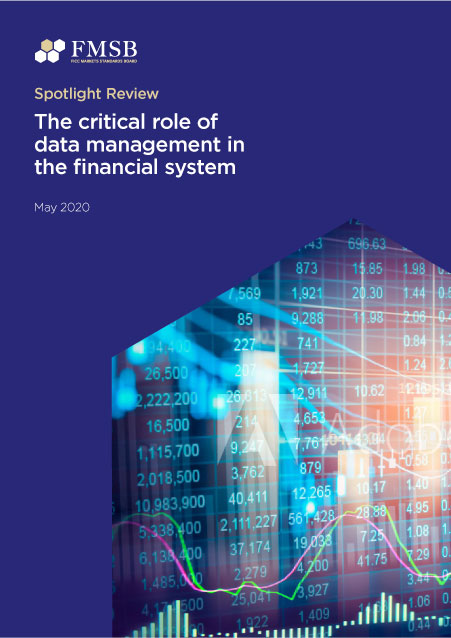
-
View/Download PDF

-
View/Download PDF
-
View/Download PDF
Statement of Good Practice for the application of a model risk management framework to electronic trading algorithms
Published:View/Download PDF
-
View/Download PDF
-
View/Download PDF
-
View/Download PDF